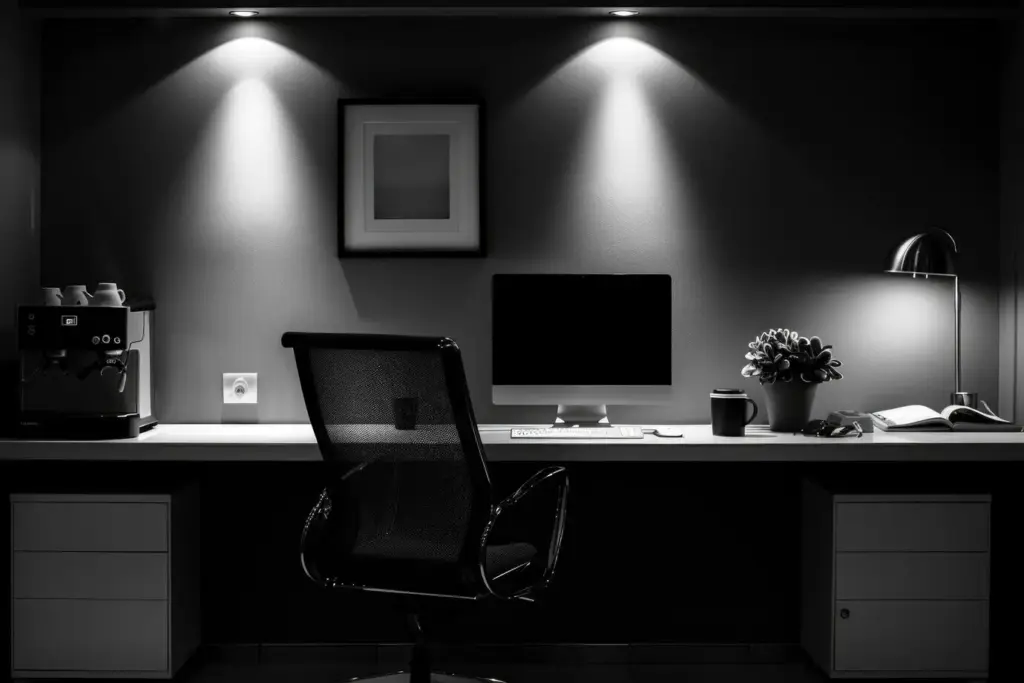
Quiet Luxury Through Layered Light

Step into a calmer, more elegant home by orchestrating light in layers that serve real life without stealing attention. Today we explore layered lighting plans for refined, low-key home makeovers, blending ambient, task, and accent lighting so rooms feel intimate, useful, and beautifully alive, with subtle shifts that welcome conversation, rest, and everyday rituals.

Quiet Foundations: Ambient, Task, Accent Working Together

Graceful spaces rarely rely on a single source. Balanced rooms begin with soft ambient illumination, thoughtful task support, and accents that hint at character rather than shout. When these layers harmonize, glare falls away, shadows become intentional, and every surface reads as considered, warm, and quietly confident throughout changing hours and activities.

Ambient That Breathes, Not Blasts

Let ambient light create a calm canvas, avoiding harsh downlight grids that flatten faces and textures. Use low-glare fixtures, wall washing, and shaded lamps to distribute brightness gently. Aim for comfortable, even levels that allow eyes to relax, while preserving shadow variation that gives architecture shape and furnishings depth without visual fatigue.

Task Light That Serves Without Shouting

Task lighting should land exactly where effort happens—on counters, desks, and reading nooks—without flooding adjacent zones. Adjustable arms, under-cabinet bars, directed pendants, and focused desk lamps deliver precision, letting you cook, craft, and work with clarity. Keep output controlled, edges soft, and color consistent so work feels effortless and inviting.

Living Room: Conversation First, Glare Last

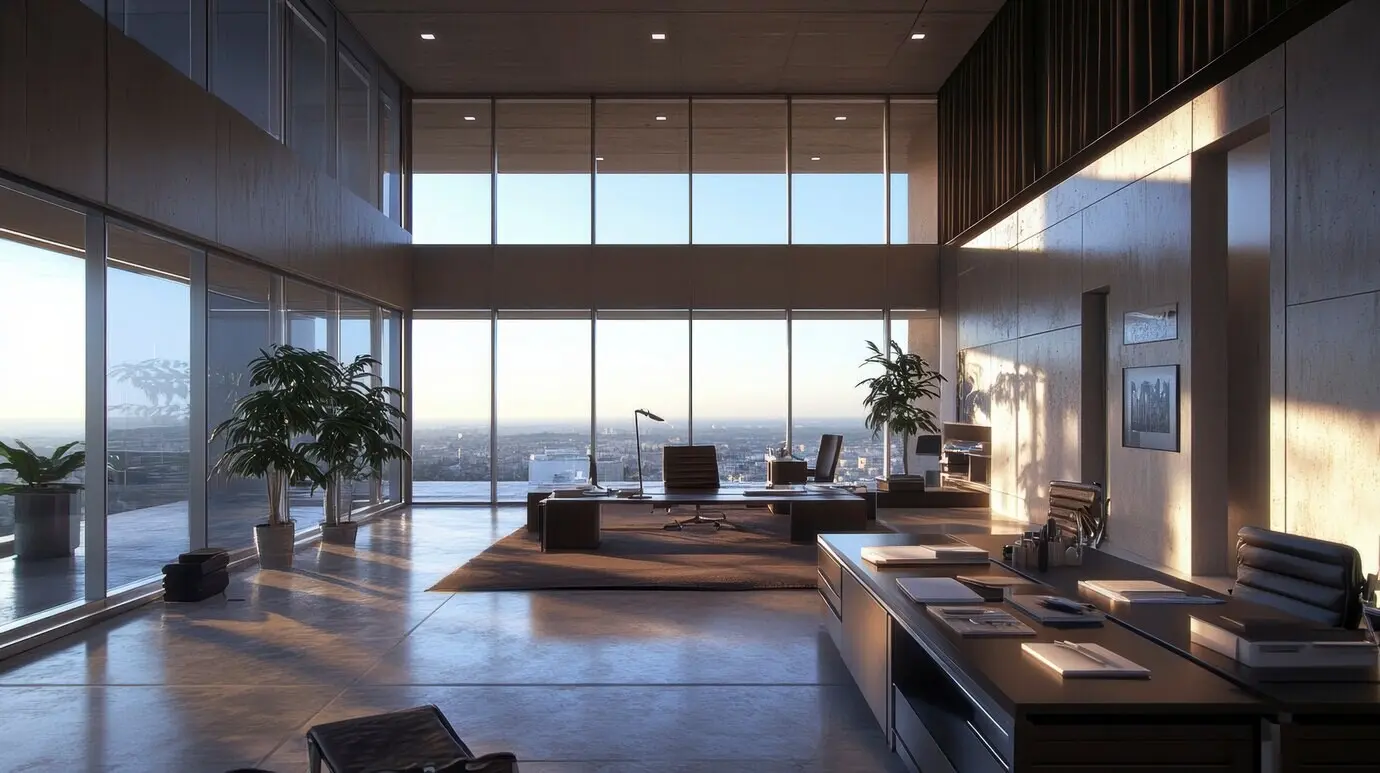
Center the seating area with layered sources that support talk, reading, and quiet evenings. Pair shaded floor lamps, a few low-glare downlights, and a dimmable picture light. Avoid shiny surfaces near eye level. Emphasize comfort, soft edges, and controllable brightness so faces look flattering and the television never reflects distracting sparkles.

Kitchen + Dining: Heat, Steel, and Human Warmth
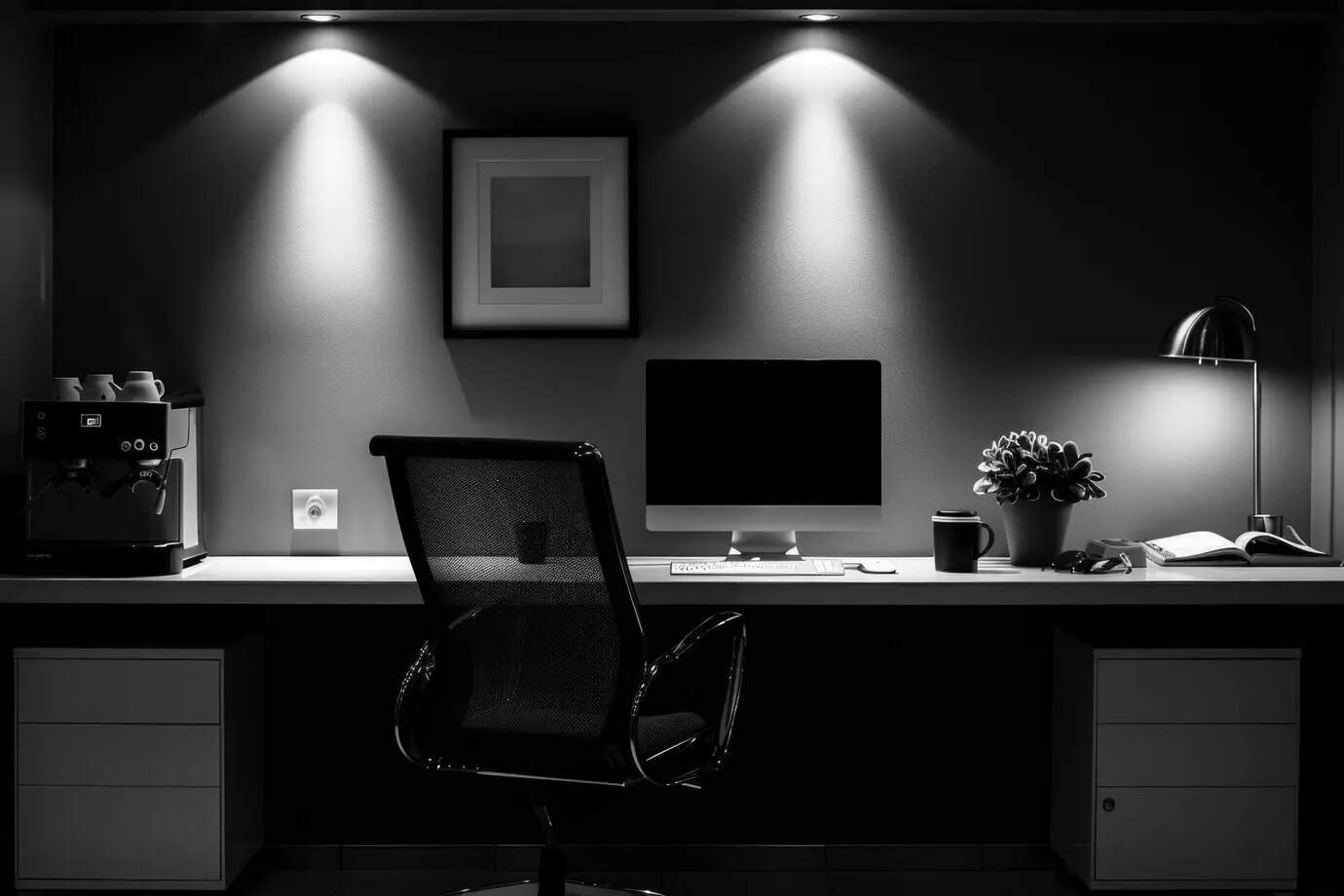
Balance cool materials with warm-toned light. Provide under-cabinet task illumination for chopping, pendants for the island, and a soft ambient layer that avoids glare on stainless steel. In dining, choose dimmable chandeliers or pendants with shades, keeping brightness comfortable so food looks delicious, conversation flows, and cleanup remains pleasantly effortless afterward.

Bedrooms and Baths: Sanctuary Standards

Support unwinding with warm color temperatures and controllable layers. Bedside lamps should cast downward pools for late-night reading without disturbing partners. In baths, use vertical face lighting at mirrors for even skin tones, supported by soft ambient light. Dimmers and warm bulbs let mornings feel clear while evenings sink gently into rest.

Color Temperature, CRI, and the Feel of a Space

Warm Evenings, Clear Days, One Palette

For living spaces, 2700K builds intimacy; for kitchens and work nooks, 3000K keeps focus without harshness. Pick one range and stick to it within each room. Consistency calms perception, avoids mismatched whites, and strengthens the quiet luxury you’re after, while dimmers adjust feel without breaking the color harmony you carefully selected.

High CRI, True Materials, Better Mood

For living spaces, 2700K builds intimacy; for kitchens and work nooks, 3000K keeps focus without harshness. Pick one range and stick to it within each room. Consistency calms perception, avoids mismatched whites, and strengthens the quiet luxury you’re after, while dimmers adjust feel without breaking the color harmony you carefully selected.

Balancing Layers with Dimmers and Scenes

For living spaces, 2700K builds intimacy; for kitchens and work nooks, 3000K keeps focus without harshness. Pick one range and stick to it within each room. Consistency calms perception, avoids mismatched whites, and strengthens the quiet luxury you’re after, while dimmers adjust feel without breaking the color harmony you carefully selected.

Fixtures That Disappear Yet Delight

Choose pieces that support architecture rather than dominate it. Low-glare downlights, trimless details, fabric shades, and slender sconces deliver presence without noise. Consider beam spreads and shielding angles, and prioritize comfort over wattage. When fixtures recede, light becomes the material, shaping surfaces and feelings while honoring a low-key, refined sensibility gracefully.

Controls and Smart Comfort Without the Fuss
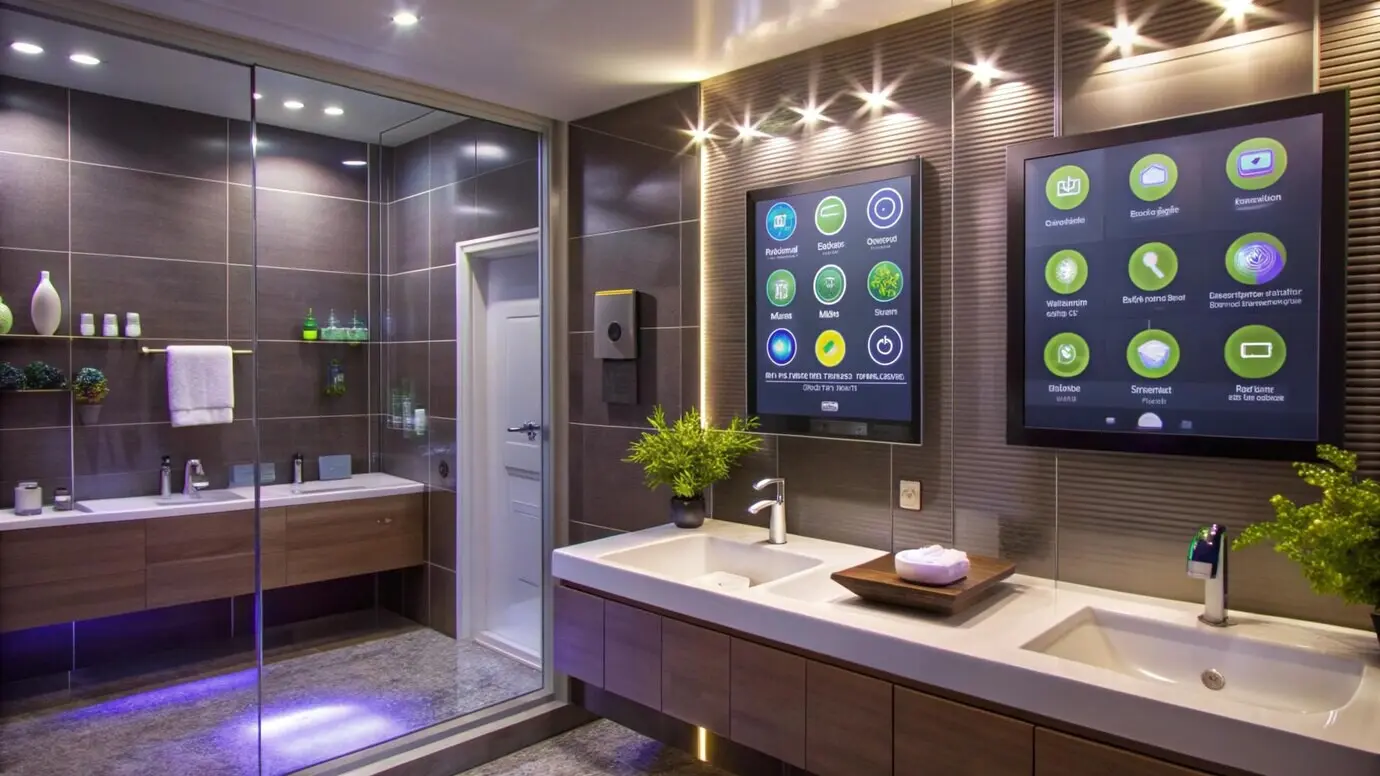
Control systems should simplify life, not complicate it. Start with reliable dimmers, add scene controls where they matter, and integrate smart features only when they truly serve routines. Think bedtime fades, dinner presets, and welcome-home illumination. Quiet technology supports behavior gracefully, keeping attention on people, textures, and conversation rather than gadgets or apps.

Budget-Friendly Upgrades with Big Calm Impact

You can achieve an understated transformation without major construction. Focus on bulbs, shades, and portable fixtures first. Replace harsh sources, add dimmers, and deploy discreet LED strips for depth. Choose fewer, better pieces, and stage improvements in phases, ensuring each step brings noticeable comfort, softness, and coherence to the way rooms feel.

Common Mistakes and Quiet Fixes

Ceiling Acne, Overbright Walls, and Remedy

Too many downlights create visual noise and hard shadows. Remove extras, widen beam spreads, and add shaded lamps for ambient balance. Wash walls gently rather than drilling hot circles into floors. This reduces eye strain, reveals textures, and returns ceilings to quiet dignity, guiding light where it supports life rather than spectacle.

Flat Rooms, Flat Stories: Add Depth

If everything is evenly bright, nothing feels special. Introduce contrast with soft accents, uplight a plant, graze a brick wall, or float a shelf. Vary heights and directions so shadows sculpt forms. This layered choreography turns static interiors into nuanced environments that feel intimate, engaging, and reassuringly composed throughout the day.

Bluish Glare and Color Chaos: Calibrate

Mismatched color temperatures fracture mood. Replace the coldest sources, unify around a chosen warmth, and tweak with dimming rather than mixing extremes. Shield bare bulbs, pick matte finishes, and use high-CRI lamps. The room relaxes instantly, skin tones glow naturally, and finishes regain their intended character without aggressive brightness or visual fatigue.

From Gloom to Glow: A Modest Apartment Story

A renter’s dim, chilly living room changed with small steps: bulb swaps to warm high-CRI, a floor lamp near the sofa, picture light above a cherished print, and tape light floating a bookshelf. Dimmers calmed evenings, reading returned, and guests lingered. Share your lighting challenges, subscribe for checklists, and request a personalized room sketch.

Assessment, Moodboard, and Gentle Intentions

We began by photographing at morning, afternoon, and night to spot glare and shadows. A moodboard set a warm, tactile direction: linen shades, leather, walnut, and quiet brass. The plan favored flexibility over demolition, prioritizing pieces that could move apartments yet still deliver nuanced layers and instant comfort on a realistic timeline.

Installation Weekend, Surprises, and Solutions

Tape light revealed a warped shelf, so we shimmed and added diffusion. A pendant proved too bright; a warmer bulb and dimmer fixed it. A plug-in sconce hid a messy outlet, adding vertical glow. Each adjustment was tiny yet transformational, proving refinement emerges through careful tuning rather than splashy, attention-seeking equipment choices.

Daily Rituals, Savings, and Your Turn

Energy usage dropped as dimmers encouraged lower settings, while high-CRI lamps made meals and art pop. Reading nooks regained purpose, and evenings felt gracious. Tell us what corner needs help, post a photo, and subscribe for a free layered-lighting worksheet. We’ll share simple, low-key steps tailored to your layout, materials, and routines.


Zilokofitixipitivakara
Privacy Overview

This website uses cookies so that we can provide you with the best user experience possible. Cookie information is stored in your browser and performs functions such as recognising you when you return to our website and helping our team to understand which sections of the website you find most interesting and useful.