Quiet Luxury Through Layered Light
Quiet Foundations: Ambient, Task, Accent Working Together
Ambient That Breathes, Not Blasts
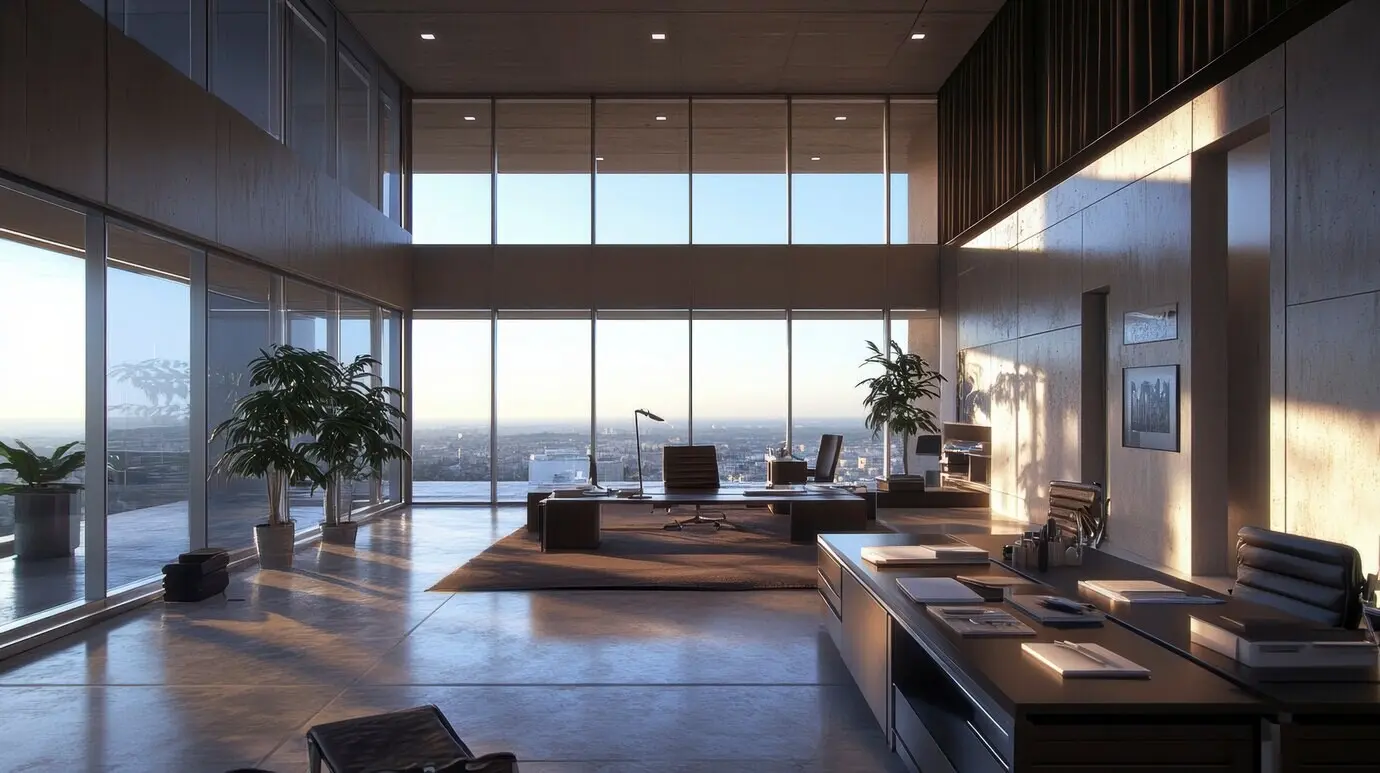
Let ambient light create a calm canvas, avoiding harsh downlight grids that flatten faces and textures. Use low-glare fixtures, wall washing, and shaded lamps to distribute brightness gently. Aim for comfortable, even levels that allow eyes to relax, while preserving shadow variation that gives architecture shape and furnishings depth without visual fatigue.
Task Light That Serves Without Shouting
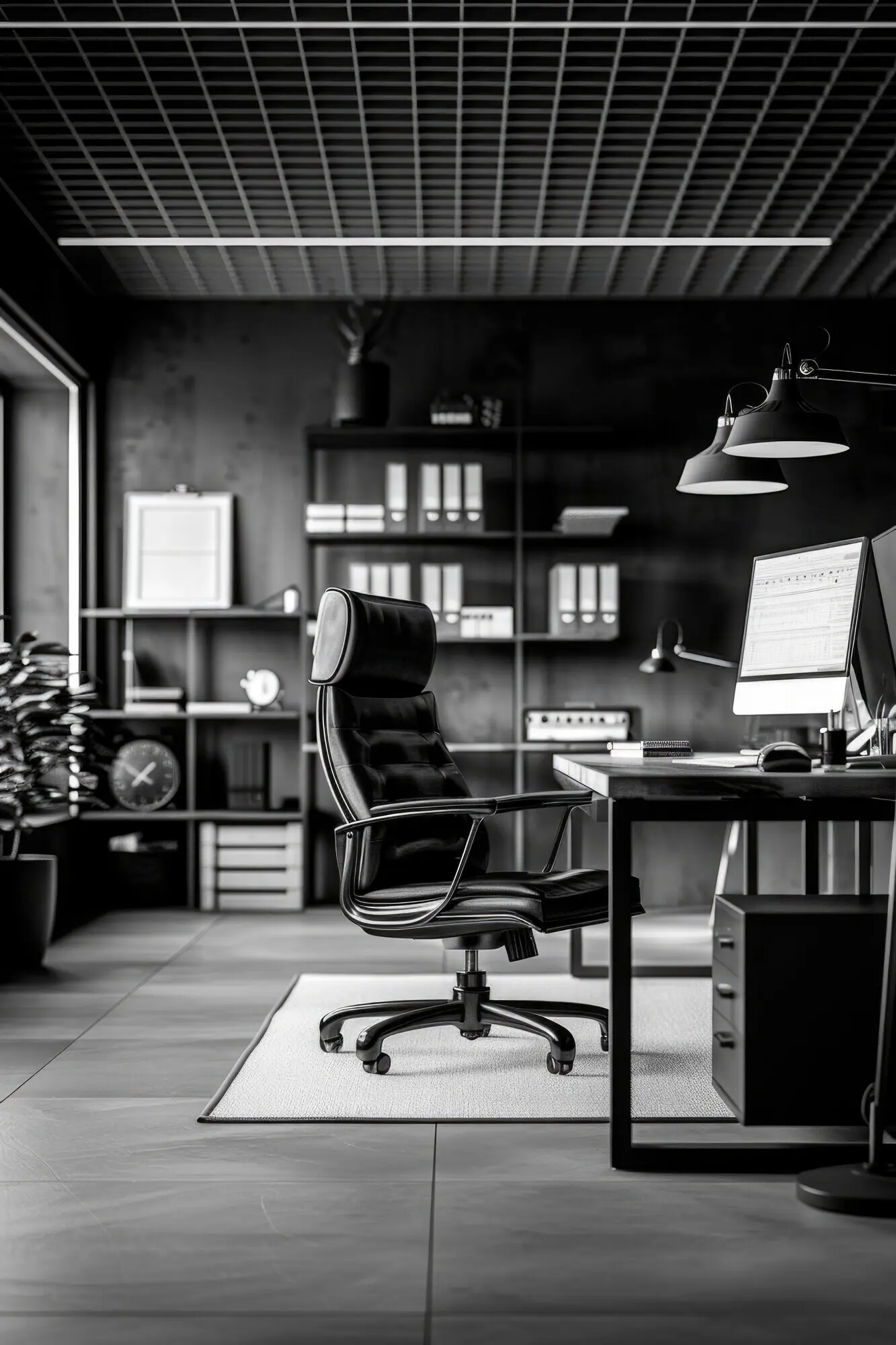
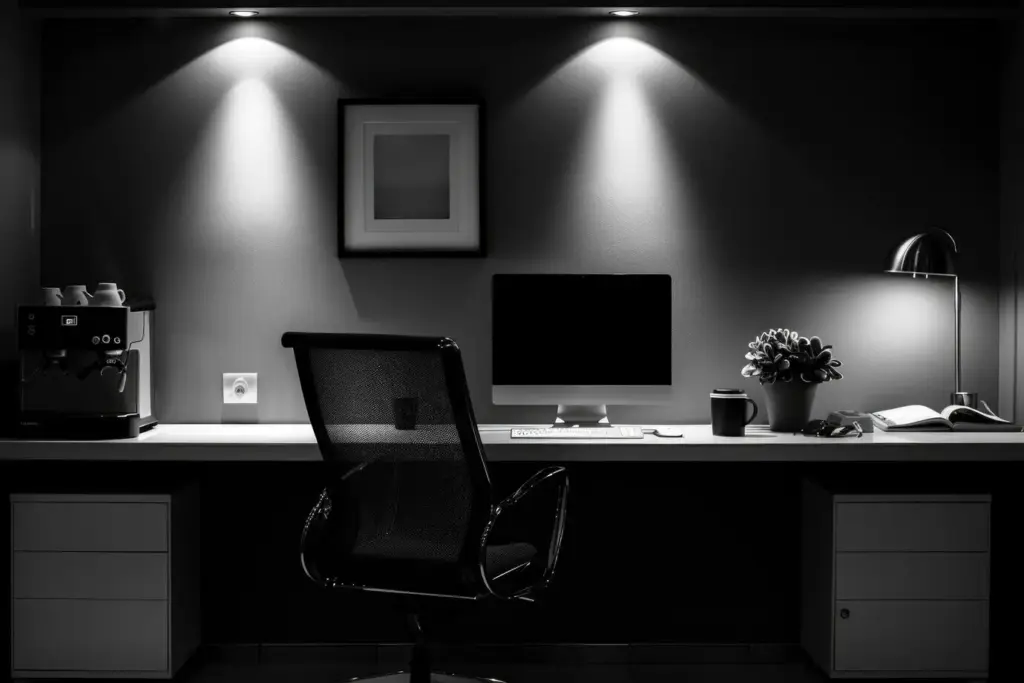
Task lighting should land exactly where effort happens—on counters, desks, and reading nooks—without flooding adjacent zones. Adjustable arms, under-cabinet bars, directed pendants, and focused desk lamps deliver precision, letting you cook, craft, and work with clarity. Keep output controlled, edges soft, and color consistent so work feels effortless and inviting.
Living Room: Conversation First, Glare Last

Kitchen + Dining: Heat, Steel, and Human Warmth
Bedrooms and Baths: Sanctuary Standards
Color Temperature, CRI, and the Feel of a Space

Warm Evenings, Clear Days, One Palette
For living spaces, 2700K builds intimacy; for kitchens and work nooks, 3000K keeps focus without harshness. Pick one range and stick to it within each room. Consistency calms perception, avoids mismatched whites, and strengthens the quiet luxury you’re after, while dimmers adjust feel without breaking the color harmony you carefully selected.
High CRI, True Materials, Better Mood
For living spaces, 2700K builds intimacy; for kitchens and work nooks, 3000K keeps focus without harshness. Pick one range and stick to it within each room. Consistency calms perception, avoids mismatched whites, and strengthens the quiet luxury you’re after, while dimmers adjust feel without breaking the color harmony you carefully selected.
Balancing Layers with Dimmers and Scenes
For living spaces, 2700K builds intimacy; for kitchens and work nooks, 3000K keeps focus without harshness. Pick one range and stick to it within each room. Consistency calms perception, avoids mismatched whites, and strengthens the quiet luxury you’re after, while dimmers adjust feel without breaking the color harmony you carefully selected.
Fixtures That Disappear Yet Delight

Controls and Smart Comfort Without the Fuss

Budget-Friendly Upgrades with Big Calm Impact
Common Mistakes and Quiet Fixes
Ceiling Acne, Overbright Walls, and Remedy
Flat Rooms, Flat Stories: Add Depth
Bluish Glare and Color Chaos: Calibrate
From Gloom to Glow: A Modest Apartment Story
Assessment, Moodboard, and Gentle Intentions
We began by photographing at morning, afternoon, and night to spot glare and shadows. A moodboard set a warm, tactile direction: linen shades, leather, walnut, and quiet brass. The plan favored flexibility over demolition, prioritizing pieces that could move apartments yet still deliver nuanced layers and instant comfort on a realistic timeline.
Installation Weekend, Surprises, and Solutions
Tape light revealed a warped shelf, so we shimmed and added diffusion. A pendant proved too bright; a warmer bulb and dimmer fixed it. A plug-in sconce hid a messy outlet, adding vertical glow. Each adjustment was tiny yet transformational, proving refinement emerges through careful tuning rather than splashy, attention-seeking equipment choices.
Daily Rituals, Savings, and Your Turn
Energy usage dropped as dimmers encouraged lower settings, while high-CRI lamps made meals and art pop. Reading nooks regained purpose, and evenings felt gracious. Tell us what corner needs help, post a photo, and subscribe for a free layered-lighting worksheet. We’ll share simple, low-key steps tailored to your layout, materials, and routines.


All Rights Reserved.